



Overview
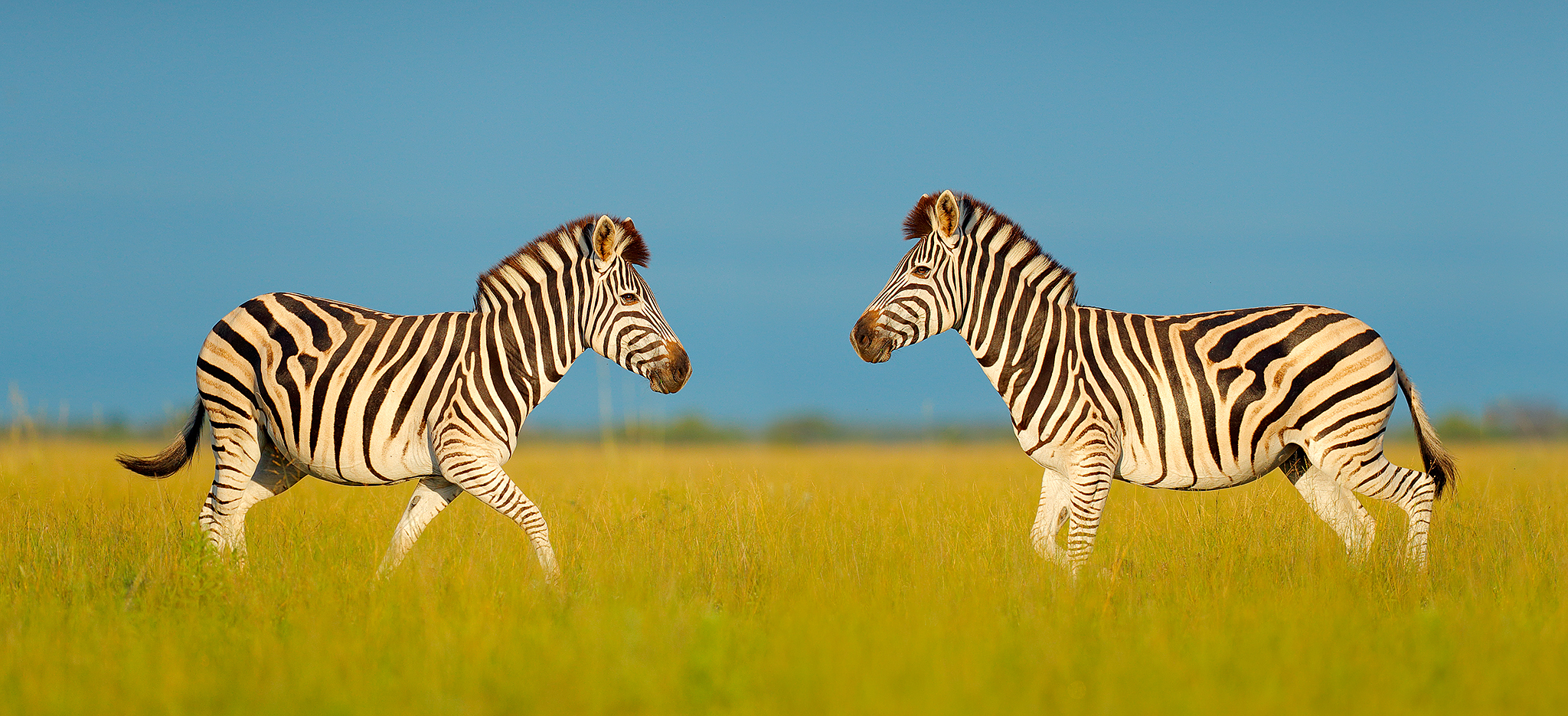
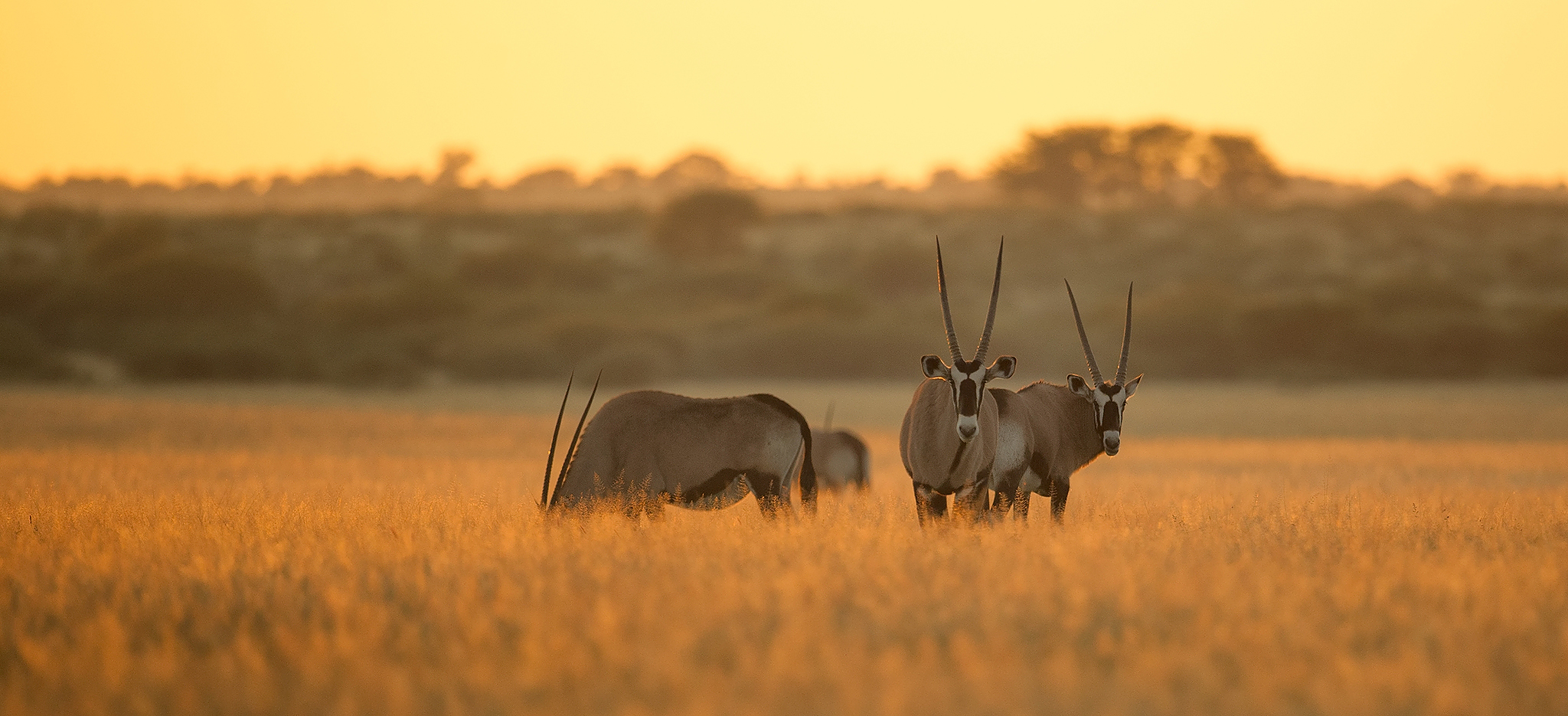
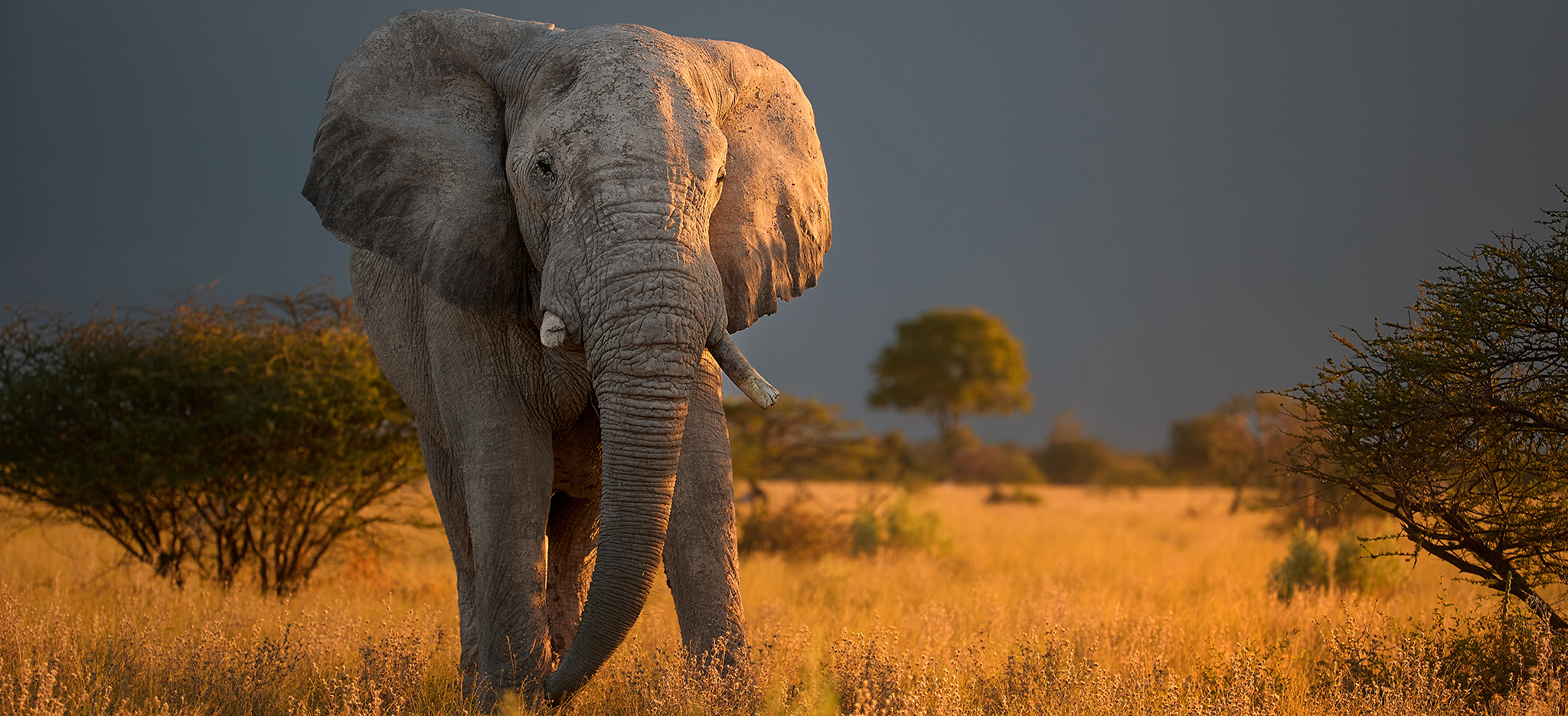
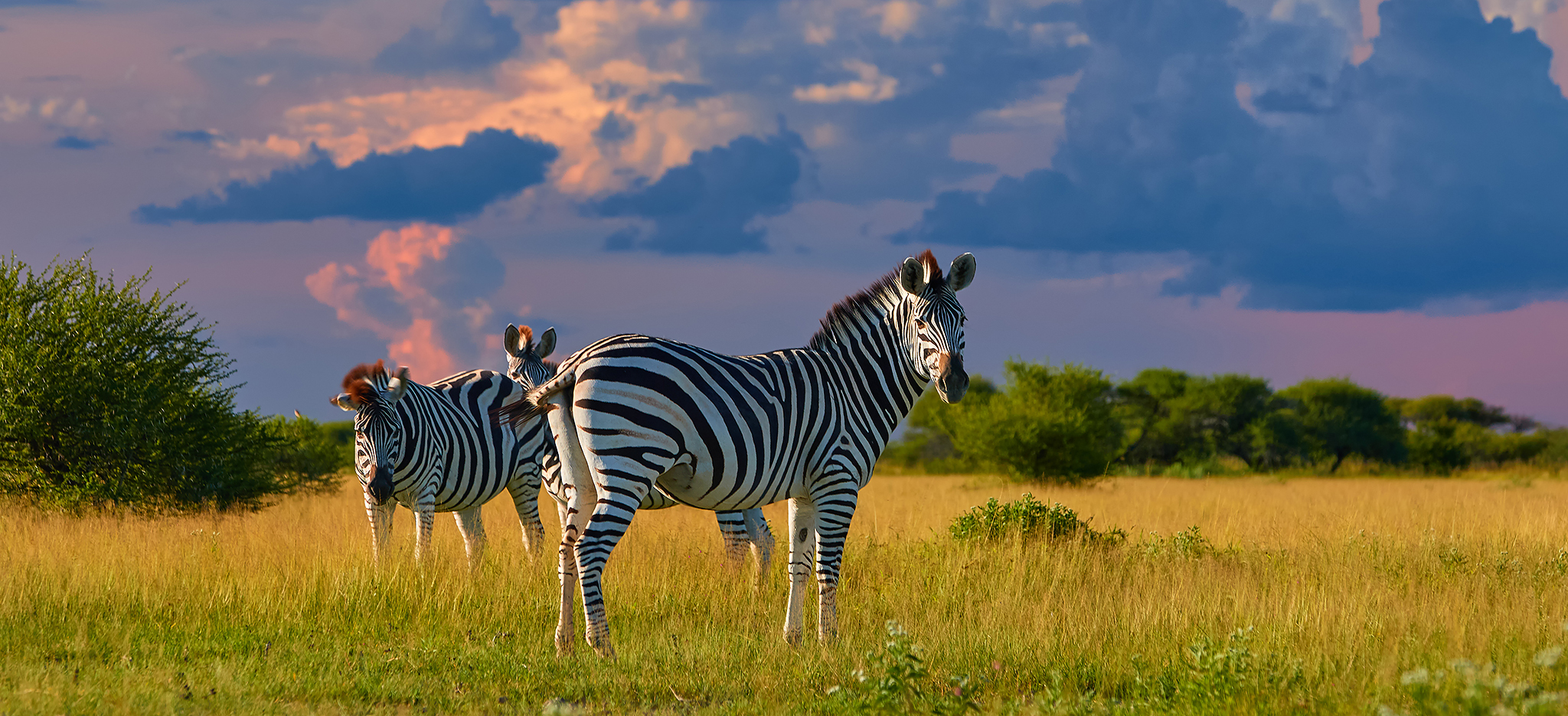
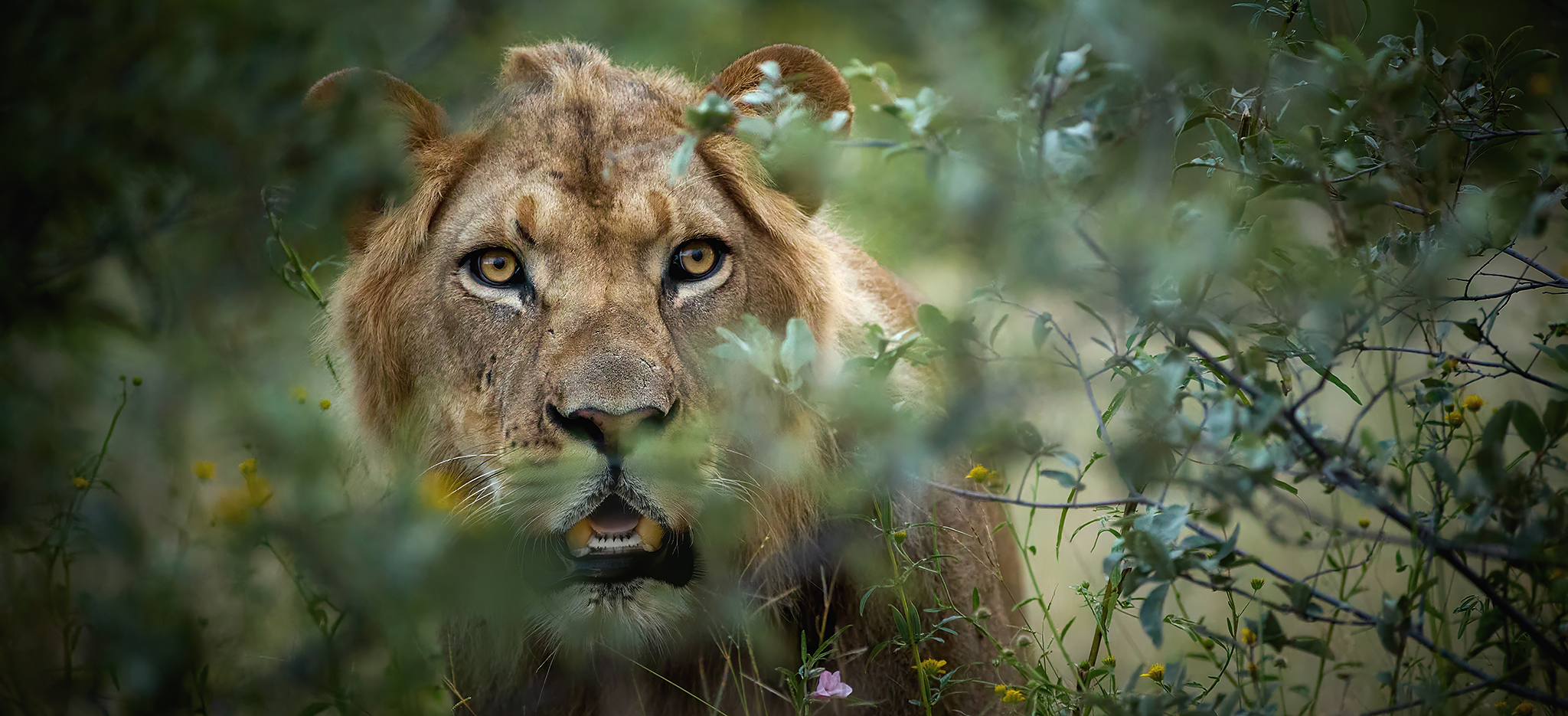
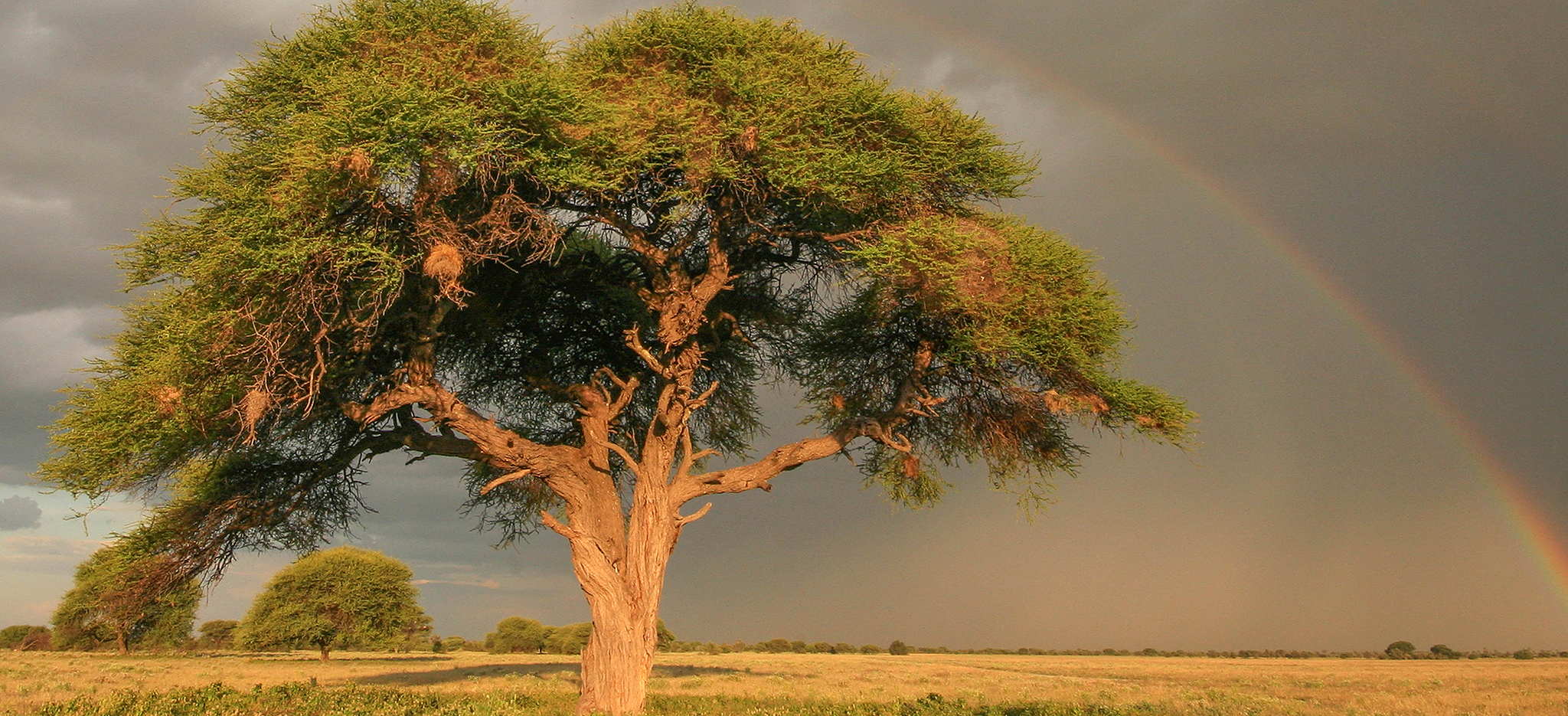
The Kalahari is an iconic name and location to any lover of Africa but this new trip has been designed to experience it in a very different way to its typically dry nature due to the timing as it is the heart of the green season and as the annual rains have come to an end. The pans and valleys of the Central Kalahari Game Reserve in particular will have filled with huge numbers of herbivores all looking to take advantage of the food on offer so we can expect herds of gemsbok, springbok, zebra and also the numbers of elephant families we can come across will be excellent as well. The influx of game also represents opportunities for the predators in the area including the beautiful black-maned lions of the region along with cheetah, wild dogs in particular on our priority list as we make our way across 3 different locations in both the CKGR and the nearby Nxai Pan reserve, home of a large annual zebra migration which we hope to be at the heart of as well. These are remote and beautiful game reserves, in their peak condition and at a time of year where visitor numbers will be very low and as result this has the potential to be a true immersive safari in the true sense of the word.
Itinerary Open +Close -
Day 1: We will look to catch our overnight flights to Johannesburg – full details/recommendations will be advised nearer the time.
Day 2: On our early morning arrival in Johannesburg, we will look to catch our short connecting flight to Maun, Botswana where we will head to a comfortable hotel/lodge to freshen up and enjoy a good night’s rest ahead of our adventures ahead.
Day 3: We will this morning transfer by private charter to the north entrance of the Central Kalahari Game Reserve where we will meet our vehicles and driver guides both of whom we have worked with in Botswana for many years now, and they will take us into the reserve and our on to our first base for the next 4 nights, a private campsite in an area known as Pipers Pan. We should have time for an afternoon game drive to acquaint ourselves with the area and then settle into our camp for our first night in the bush proper.
Days 4 – 6: Our daily pattern will be very similar throughout the trip with an early morning departure for sunrise (after a light breakfast round the fire of course) and a good morning drive, a midday break and lunch in camp before a further afternoon drive through to sunset. Pipers Pan itself is a few kilometres of lush green grass at this time of year and so we can expect big herds of springbok and gemsbok to be grazing there with all the opportunities that creates in terms of potential prey for lions and cheetahs in particular. Sunsets here, given the large and empty skies, can be quite spectacular as well.
Day 7: After our morning drive we will break camp and head slightly further north to our base for the next four nights, Deception Valley. During the dry e=season this is hard baked earth, and its name comes from the mirage effect that makes it appear full of water but in this green season it is lush and brim full of game and bird life.
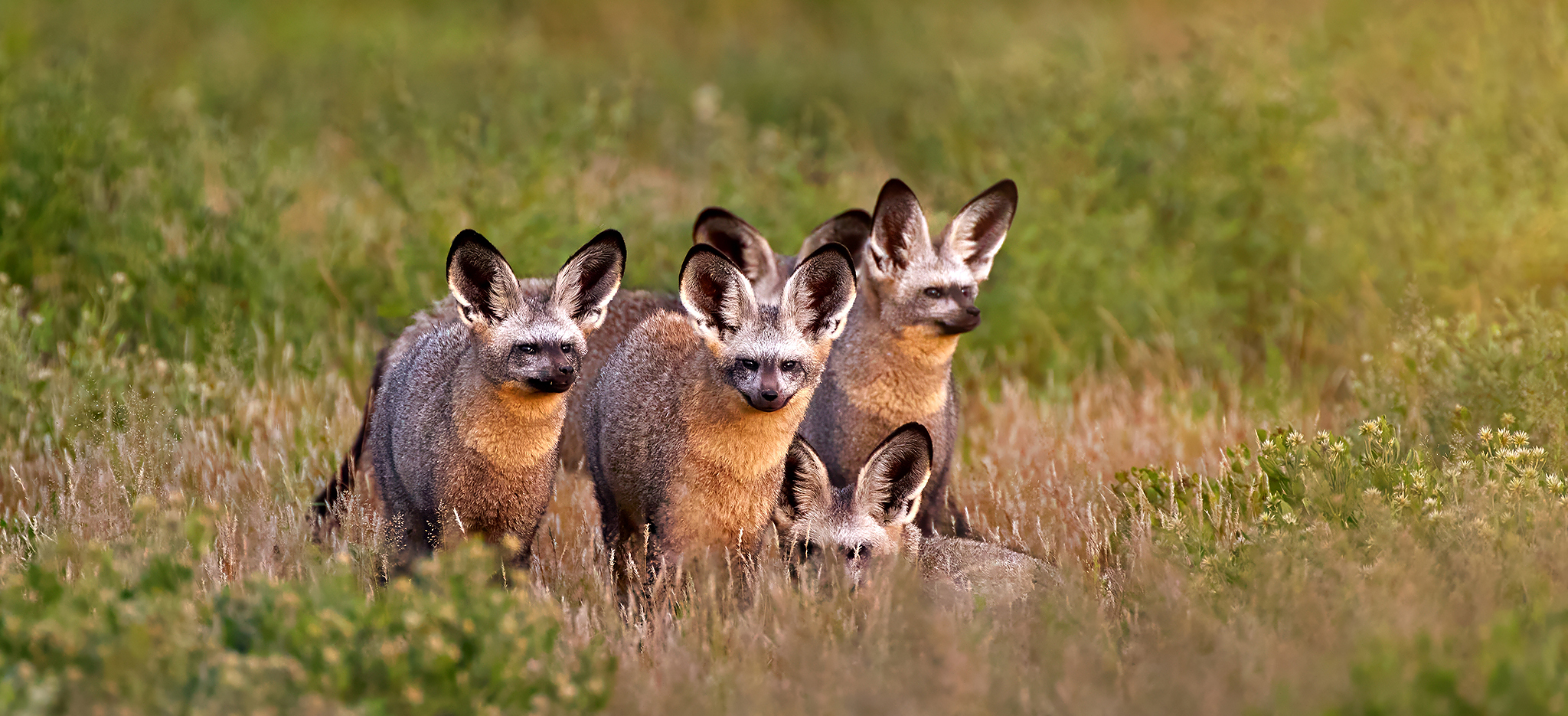
Days 8 – 10: With our daily pattern now established we will explore this incredibly beautiful, remote and peaceful corner of the reserve to develop our portfolio of species and images. Alongside lion, cheetah, wild dogs and brown hyena are among the opportunists looking to take advantage of the thousands of game animals that will have been drawn in due to the lush grasses on offer so along with the many bird species, bat eared foxes and meerkats as well we are sure to be busy.
Day 11: After breaking camp, it will be a full days transfer out of CKGR and north to Nxai Pans National Park where we will be based for three nights.
Days 12 – 13: Nxai Pans is situated on the migratory route between Hwange and the Okavango Delta and so large numbers of elephants and literally thousands of zebras in particular pass through here as they follow the rains and water through the course of the year with many species giving birth to their young here to coincide with the conditions. We hope to encounter big numbers of these species attracted by these feeding opportunities and water availability in what is another very dramatic area.
Day 14: A final morning’s drive in the area near our camp and we will then head by road back to Maun looking to arrive by early afternoon so that we have time to check into our hotel, well and truly freshen up and then enjoy a final dinner as we reflect on our adventures in the bush.
Day 15: On our final morning, we will return for our flights from Maun to Johannesburg and from where we will catch our overnight flights back to Europe.
Day 16: Arrive back in the UK/Europe.